

David Warner's IPL Record: Three Orange Caps and 6,565 Runs
David WarnerAustralia
By CricketTaken EditorialPublished Player analysis8 min read
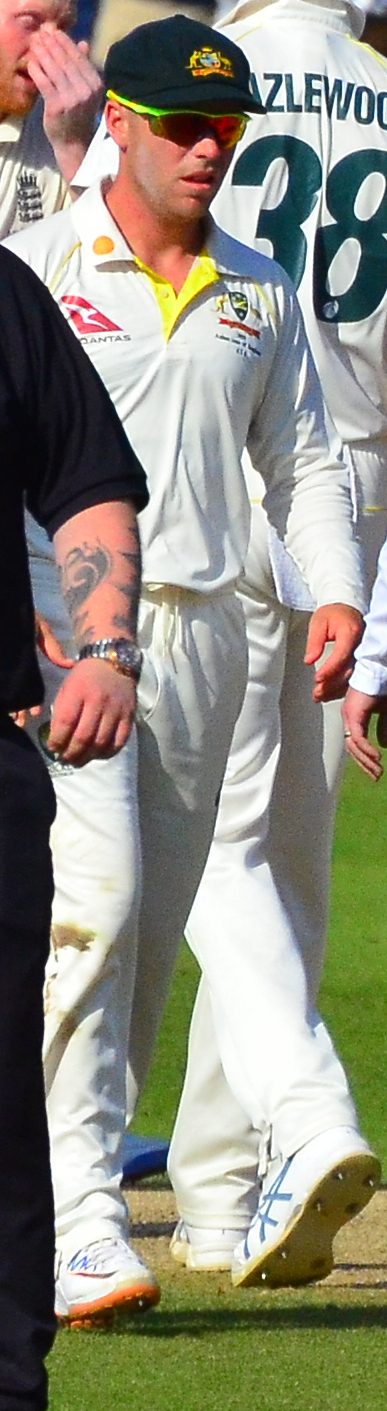
Overseas batters rarely last fifteen seasons in the Indian Premier League. The economics work against it, the schedule works against it, and franchises tend to churn their foreign slots every three years. David Warner played 184 innings across the competition, made 6,565 runs at 40.52, and finished with three Orange Caps. Only a handful of players from any country have a larger aggregate, and none of the others spent a full season suspended in the middle of it.
Five seasons at Delhi that nobody remembers
Warner arrived in the 2009 season as a twenty-two-year-old with an unusual claim on selection: he had played a Twenty20 international for Australia before he had played a first-class match. Delhi picked him and used him at the top of the order. He made 163 runs in seven innings at 23.3, striking at 123.5, which in 2009 was around par and no more.
The following year produced the first hundred, 107 in eleven innings, and a strike rate of 147.6 that signalled what the method might become. Then the record wobbles. In 2011 he made 324 at a strike rate of 117.4, which for an opener with his intent is a poor return, and in 2012 he played only eight innings for 256 runs but included a second century, 109, and struck at 164.1. The 2013 campaign gave him his first four-fifty season and 410 runs.
Five years, 1,435 runs, two hundreds. It is not the record of a player anybody would have described as a franchise cornerstone, and Delhi were an indifferent side throughout. The strike rates jumped about because his role did. He opened, he batted at three, he was asked to hold an innings together in seasons where there was nobody else to do it.
Hyderabad, and the seasons that changed the numbers
Sunrisers signed him for 2014 and the aggregate immediately went up: 528 runs at 48.0. That figure matters less than what it represented. For the first time Warner batted in a side with a bowling attack good enough to defend modest totals, which meant his runs were converted into wins rather than absorbed by defeats. He then made 562 in 2015 at a strike rate of 156.5, the highest of his career to that point, and took the first Orange Cap.
The peak was 2016. Warner made 848 runs in seventeen innings at 60.6, with nine fifties and a highest score of 93. In almost any other year that would have been the largest aggregate the tournament had produced. It was not, because Virat Kohli made 973 in the same season. Two batters passed 800 runs in a single IPL for the first and so far only time, and the one who finished second won the trophy.
David Warner's IPL record, season by season
| Season | Team | Inns | Runs | Avg | SR | HS | 100s | 50s |
|---|---|---|---|---|---|---|---|---|
| 2009 | Delhi | 7 | 163 | 23.3 | 123.5 | 51 | 0 | 1 |
| 2010 | Delhi | 11 | 282 | 28.2 | 147.6 | 107 | 1 | 1 |
| 2011 | Delhi | 13 | 324 | 24.9 | 117.4 | 77 | 0 | 3 |
| 2012 | Delhi | 8 | 256 | 36.6 | 164.1 | 109 | 1 | 1 |
| 2013 | Delhi | 16 | 410 | 31.5 | 126.9 | 77 | 0 | 4 |
| 2014 | Hyderabad | 14 | 528 | 48.0 | 140.8 | 90 | 0 | 6 |
| 2015 | Hyderabad | 14 | 562 | 43.2 | 156.5 | 91 | 0 | 7 |
| 2016 | Hyderabad | 17 | 848 | 60.6 | 151.4 | 93 | 0 | 9 |
| 2017 | Hyderabad | 14 | 641 | 58.3 | 141.8 | 126 | 1 | 4 |
| 2019 | Hyderabad | 12 | 692 | 69.2 | 143.9 | 100 | 1 | 8 |
| 2020 | Hyderabad | 16 | 548 | 39.1 | 134.6 | 85 | 0 | 4 |
| 2021 | Hyderabad | 8 | 195 | 24.4 | 107.7 | 57 | 0 | 2 |
| 2022 | Delhi | 12 | 432 | 48.0 | 150.5 | 92 | 0 | 5 |
| 2023 | Delhi | 14 | 516 | 36.9 | 131.6 | 86 | 0 | 6 |
| 2024 | Delhi | 8 | 168 | 21.0 | 134.4 | 52 | 0 | 1 |
| Total | 184 | 6565 | 40.52 | 139.77 | 126 | 4 | 62 |
He hit 663 fours and 236 sixes and was unbeaten 22 times. There is no row for 2018.
Three Orange Caps, and why the third is the best of them
The caps came in 2015, 2017 and 2019, for 562, 641 and 692 runs. Only one other batter has led the run charts three times.
The 2017 season contains his highest IPL score, 126, and an average of 58.3 from fourteen innings. The 2019 season is the more remarkable piece of work. He made 692 runs in twelve innings at 69.2 with eight fifties and a hundred, having not played a competitive match in the tournament for two years. The gap in the record is the twelve-month suspension that followed the Cape Town Test of March 2018, which cost him the 2018 season entirely. He came back and produced the highest average of his IPL career.
The eight fifties in 2019 also point at the persistent criticism of him, which was that he converted too few. Four hundreds in 184 innings is a low rate for a batter with that aggregate and that strike rate. The counter is that an opener who reaches fifty in more than a third of his innings is doing the job the side picked him for, and Hyderabad's totals depended on him getting through the powerplay rather than on him being there at the end.
The 2016 title, and captaincy at Hyderabad
Warner captained Sunrisers Hyderabad to the 2016 title, still the franchise's only one. Hyderabad finished the league stage in third and came through the playoffs to meet Royal Challengers at a full Chinnaswamy on 29 May. Warner made 69 from 38 at the top. Then Ben Cutting, an Australian all-rounder who had played four matches all season, hit 39 not out from fifteen balls and took the total to 208 for 7. Bangalore made 200 for 7 in reply.
That side was built the way Hyderabad built every side of the period: a small number of heavy scorers at the top and a bowling attack that could defend anything above 160. Bhuvneshwar Kumar took the Purple Cap with 23 wickets. Warner's captaincy was not tactically flamboyant and did not need to be; the resources dictated a plan of batting first, setting a target and squeezing.
He remained captain until 2021, apart from the year he was banned, when Kane Williamson led. Under him Hyderabad reached the playoffs repeatedly and the final once more, in 2018, in a season Warner spent at home.
2021, and the way it ended in Hyderabad
The last Hyderabad season was the worst of his career. Warner made 195 runs in eight innings at 24.4, striking at 107.7. He was removed from the captaincy mid-tournament, and then left out of the eleven altogether for the closing matches, a sequence handled publicly and awkwardly by the franchise. There is no comfortable way to drop a player who has made more runs for the club than anybody else, and Hyderabad did not find one.
The context is worth stating, because a strike rate of 107.7 is not a form slump so much as a role collapse. Warner's scoring depends on the first six overs. When the surface is slow, when the ball is holding, and when the batter at the other end cannot take strike off him, his method has nowhere to go. Hyderabad in 2021 played on used pitches in Chennai and then in the United Arab Emirates, and the whole batting order struggled, not only him.
The Delhi return, and the last two seasons
Delhi Capitals bought him back for 2022 and got a good year out of it: 432 runs in twelve innings at 48.0, striking at 150.5, with five fifties. He captained the side for part of 2023 and made 516 runs at a strike rate of 131.6, the lowest of any of his 400-plus-run seasons, which was the first clear sign that the pace was going.
The final season, 2024, produced 168 runs in eight innings at 21.0. He was dropped, brought back and dropped again. Delhi did not retain him. It is a familiar closing chapter for a long-serving overseas batter, and the more useful way to read it is against the fifteen years that preceded it rather than against the last eight innings.
What 6,565 runs actually bought
The aggregate places him among the four or five leading run-scorers in the tournament's history and makes him comfortably the leading overseas batter, ahead of every West Indian, South African and Australian who has played in it. The average of 40.52 is high for an opener in a competition where the top of the order is where most of the risk sits, and the strike rate of 139.77 across fifteen seasons is a respectable number given that five of those seasons were played when 130 was a good scoring rate.
Two things limit the case. One is the single trophy, though captaining any side other than Chennai or Mumbai to an IPL title in that era was hard, and Hyderabad have not won it since. The other is the shape of his best years: they came for a franchise that repeatedly built a top-heavy batting order around him and then lost matches from positions his innings had created.
For the fuller picture of a career that ran across three formats and two continents, see the David Warner profile, and for the wider setting, cricket in Australia has the domestic structure that produced him.