

Irfan Pathan and the 2007 World T20 Final at the Wanderers
Irfan PathanIndia
By CricketTaken EditorialPublished Player analysis7 min read
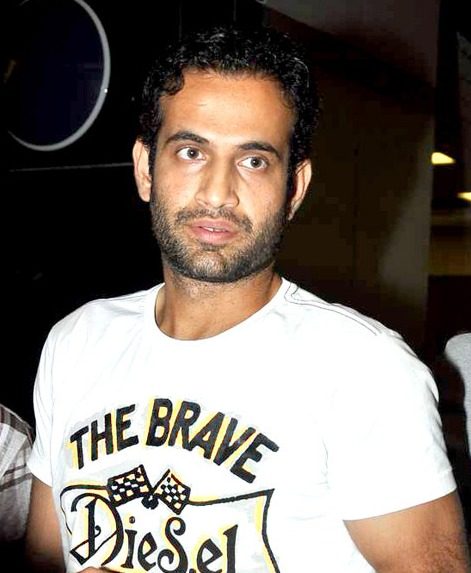
India sent a second-choice squad to South Africa in September 2007 because the board did not think the tournament mattered. Sachin Tendulkar, Rahul Dravid and Sourav Ganguly all stayed at home. The captain was twenty-six and had never led a global campaign. Two weeks later that squad had won the first World Twenty20, and the bowler holding the match award at the Wanderers was a twenty-two-year-old left-armer from Vadodara who had spent the previous eighteen months being told he had lost his outswinger.
A tournament the BCCI had voted against
The format had existed for four years and India had resisted it for all four. Twenty20 was an English county invention, designed to sell tickets on midweek evenings, and the Indian board's public position was that it had no place in the international calendar. When the ICC scheduled the inaugural edition for South Africa between 11 and 24 September 2007, twelve teams across twenty-seven matches, the squad India sent reflected that position rather than any assessment of who was likely to win.
The timing helped. Five months earlier the fifty-over World Cup in the Caribbean had run for seven weeks and lost both India and Pakistan in the group stage. The appetite for something quicker was real, and the tournament in South Africa gave the sport a fortnight of cricket in which almost every match was decided late. Zimbabwe beat Australia. Sri Lanka made 260 for 6 against Kenya. India and Pakistan tied at Kingsmead and settled it with a bowl-out, a tie-break method the game abandoned shortly afterwards.
Where Pathan was, going in
He arrived in South Africa in an odd position. Between his Test debut at Adelaide in December 2003 and the middle of 2006, Irfan Pathan had been India's first-choice new-ball bowler and, for a spell, its most talked-about young cricketer. He was ICC Emerging Player of the Year in 2004. At the 2004 Asia Cup he took fourteen wickets, more than any other bowler in the competition, at nineteen. In January 2006 he took a hat-trick in the first over of a Test match at Karachi, which nobody had done before or has done since.
Then the swing went, or at least it stopped being reliable, and his role blurred. By 2007 he was neither the strike bowler of 2004 nor a settled batting all-rounder, and his place in the one-day side was not secure. A short-format tournament that nobody senior wanted to play was, in that context, a chance rather than a snub.
The route to Johannesburg
India's progress was untidy and, in a fourteen-day competition, that hardly mattered. The bowl-out against Pakistan at Kingsmead was one of the strangest results in the tournament's history: three Indian bowlers hit the stumps, three Pakistanis missed. Four days later, on 19 September, Yuvraj Singh hit Stuart Broad for six sixes in an over at the same ground and reached fifty from twelve balls, which remains the fastest half-century in international Twenty20 cricket. India made 218 for 4 and beat England by 18 runs.
The semi-finals removed the two sides who had looked most convincing. Australia, then comfortably the best one-day team in the world, lost theirs. New Zealand, who had already beaten India, lost the other. That left India and Pakistan for the final on 24 September, a fixture the organisers could not have arranged if they had tried.
The first two overs of the chase
India batted first at the Wanderers and made 157 for 5, of which Gautam Gambhir made 75 from 54 balls. It did not look like enough on a fast outfield. Pathan's first spell decided that it was.
Bowling with the new ball alongside RP Singh, he removed both openers and then Pakistan's most experienced middle-order batter, finishing with 3 for 16 from his four overs. The economy is the number that carries the weight. In a Twenty20 innings of twenty overs, a bowler who concedes sixteen from four has taken a fifth of the match away from the chasing side before anyone has had a chance to build. Pakistan were behind the required rate from the eighth over onwards and never got level.
What made the spell work was the thing his career was supposedly missing. The ball swung at the Wanderers, late and not much, and Pathan bowled it full enough to make the movement count. He had spent two years being coached towards a different kind of bowler, more upright, more concerned with hitting a length. On that evening he bowled the way he had at nineteen.
Misbah, Joginder Sharma and five runs
The finish is the part everyone remembers, and Pathan had no part in it. Misbah-ul-Haq took Pakistan to within touching distance almost alone, and MS Dhoni gave the final over to Joginder Sharma, a medium-pacer who had bowled two overs in the match, ahead of Harbhajan Singh. Six were needed from four balls when Misbah attempted a scoop over short fine leg and picked out the fielder. India won by five runs.
The decision to bowl Joginder has been relitigated for nearly twenty years. The defensible version is that Harbhajan had already gone for wickets in his allocation and that Pathan and RP Singh had bowled out. A captain in that position is choosing between his fifth and sixth options, and the margin between them is smaller than hindsight allows.
The match award went to Pathan rather than to Gambhir, whose 75 was the innings that gave India a total, or to Joginder, who bowled the last over. On the arithmetic it was the right call. Three top-order wickets for sixteen runs in a match settled by five is the largest single contribution anyone made.
The tournament award, and the ones that were not given
Shahid Afridi was named player of the tournament. Matthew Hayden finished as leading run-scorer with 265, and Umar Gul took thirteen wickets, more than anyone else. India won without a batter or a bowler in either of those lists, which is a reasonable description of how the side functioned: a lot of small, decisive contributions from players who had not been picked to make them. Yusuf Pathan, Irfan's elder brother, made his international debut in the final itself, opening the batting with Gambhir. Two brothers on the same team sheet in a World Cup final is not a common line in any scorecard.
What the title did next
The consequences were structural and they arrived quickly. India had gone twenty-four years without a global trophy, since the 1983 World Cup, and the board that had spent four years arguing against Twenty20 launched the Indian Premier League six months after Johannesburg. The first season began in April 2008 with eight franchises, an auction and a broadcast deal that changed what a cricketer could earn. Players who had been anonymous in September 2007 were franchise property inside a year.
Pathan was among them. He went to Kings XI Punjab in the inaugural auction and played nine IPL seasons across five franchises, taking 76 wickets in 87 matches at an economy rate of 7.68. The title in Johannesburg is the reason that career existed in the form it did, and the same is true of a dozen others in that squad.
Where the final sits in his career
It is tempting to read the Wanderers spell as a turning point, and it was not. Pathan's international career after 2007 was intermittent. He played a substantial part in India's Test win at Perth in January 2008, taking wickets in both innings and making runs from the lower middle order, and was named player of that match. After that the appearances thinned out. His last international cricket came in 2012, at twenty-seven, an age at which most fast bowlers are entering their best years.
The reasons are covered elsewhere and they are mostly technical and physical rather than anything else. What the 2007 final provides is a clean piece of evidence about what he could do when the ball moved and he was asked to bowl four overs at the top of an innings rather than to fill several roles at once. In the biggest match of his life, on the biggest stage the format had, he bowled the best spell on the ground.
A squad that was not supposed to win
The wider point about 2007 is that it was an accident that the sport then made permanent. India were sent as an experiment, they won, and the format's commercial future was settled inside a season. Anyone reading the history of Indian cricket through its trophies rather than its finances will underrate what that fortnight did. The India-Pakistan rivalry supplied the final, the six sixes at Kingsmead supplied the highlight reel, and a left-arm swing bowler who had been written off at twenty-two supplied the spell that won it.
For his full record across formats and franchises, see the Irfan Pathan profile.